Old pre-war chapel of St. Maximilian (e-guide)
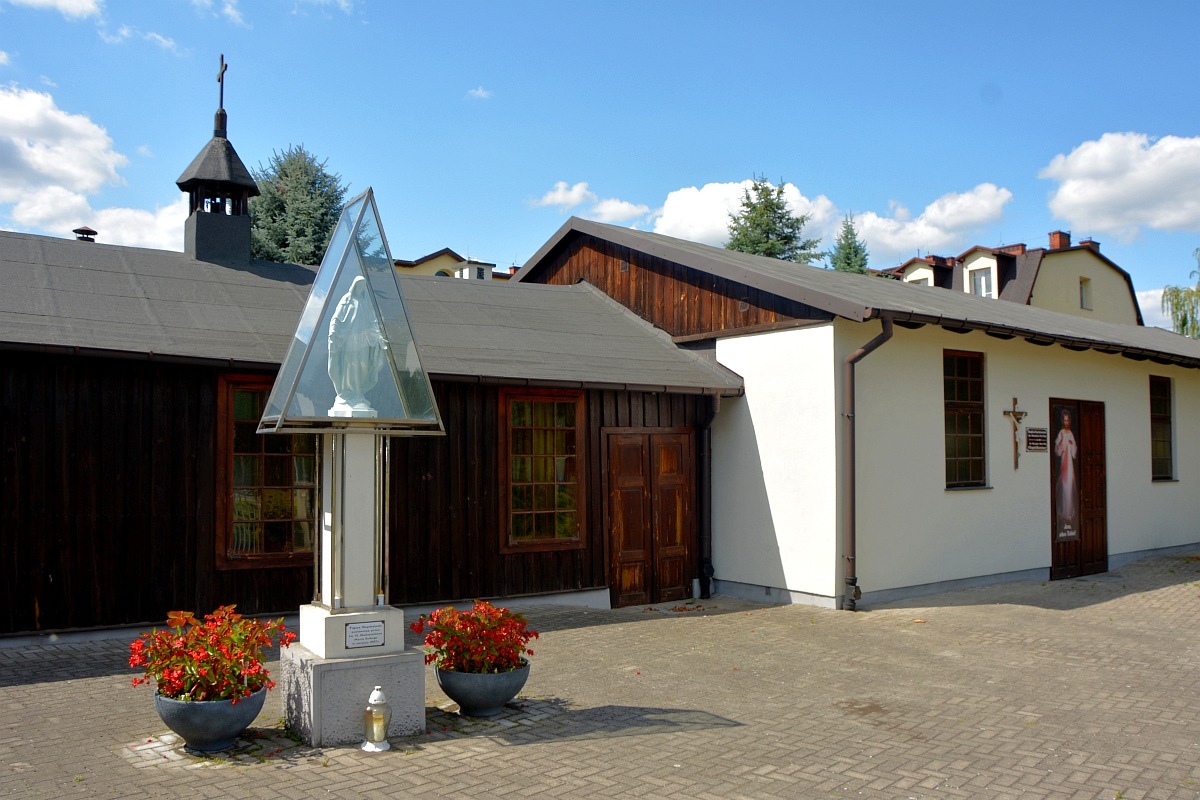
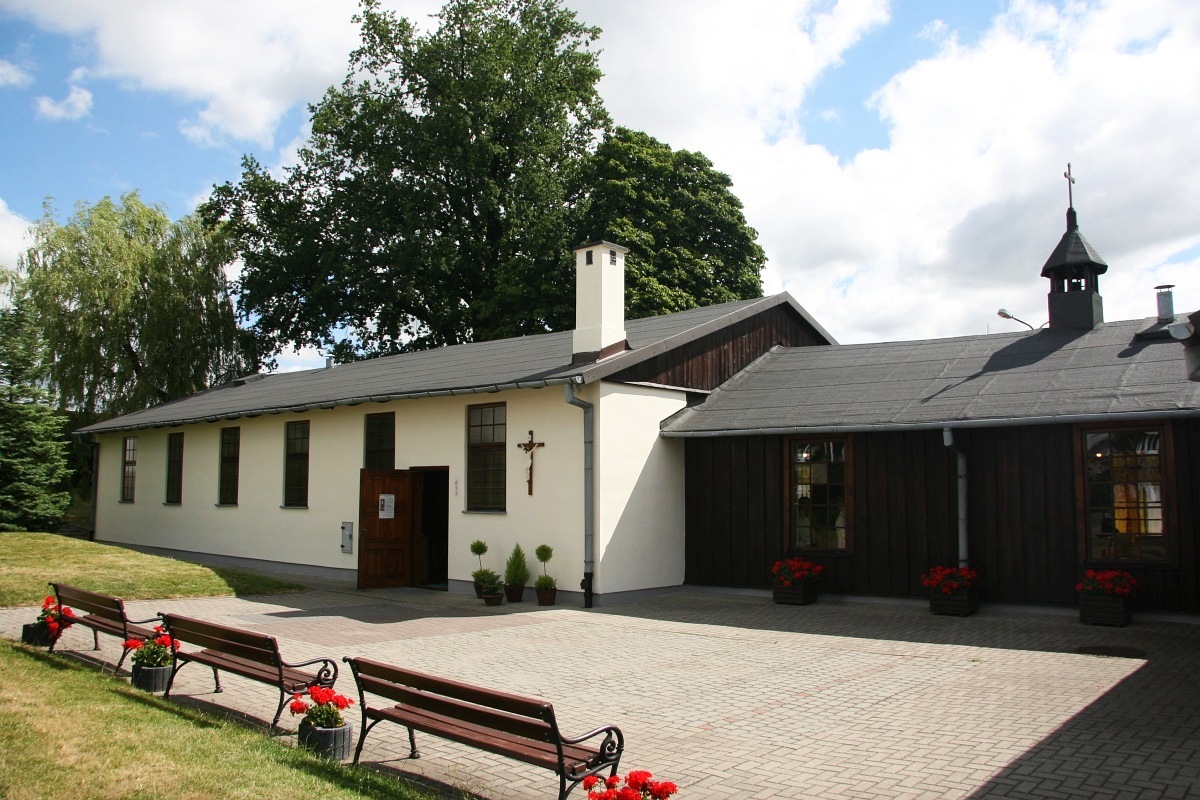
The wooden, pre-war chapel in Niepokalanów stands today as a living witness to the birth of one of the most extraordinary monasteries of the 20th century. It was here, around this chapel built between 1927 and 1929, that the history of the „City of the Immaculate” (Niepokalanów) began. In this very place, St. Maximilian Kolbe prayed with his brothers, celebrated his first Masses, and nurtured the idea that would eventually radiate across the entire world.
* A Statue in the Open Fields
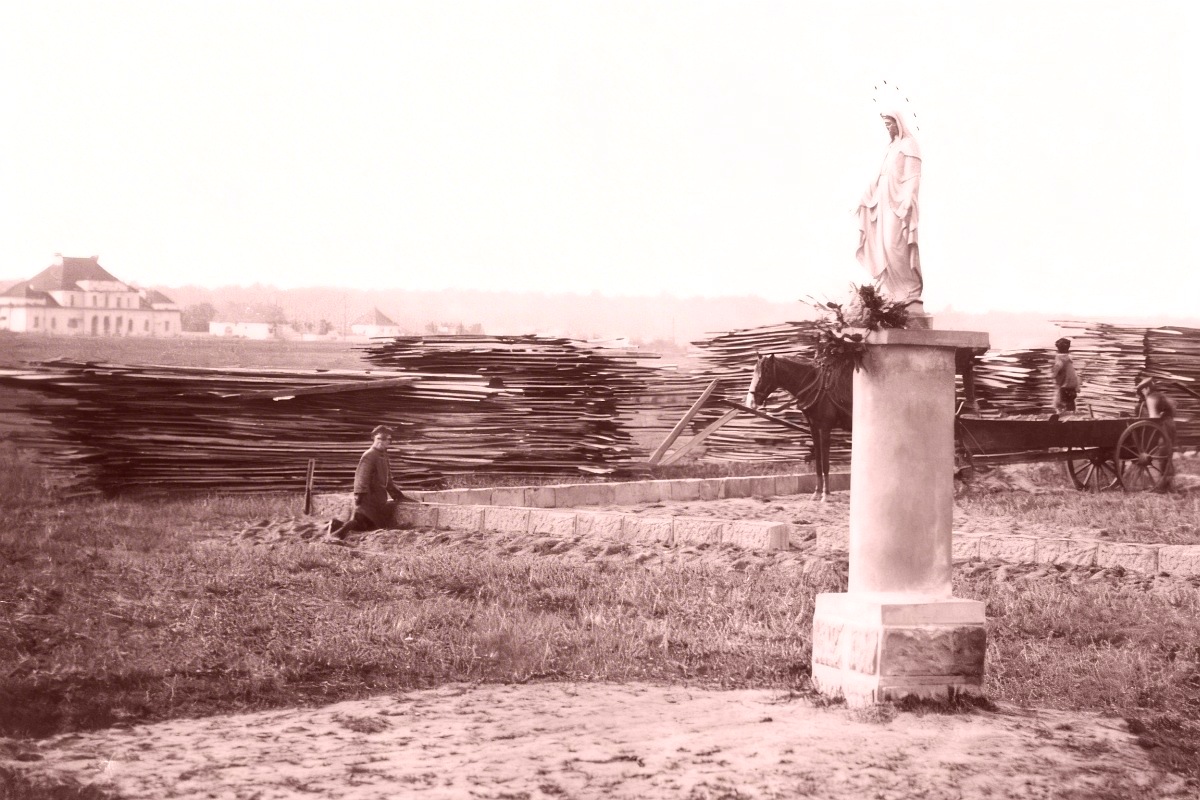
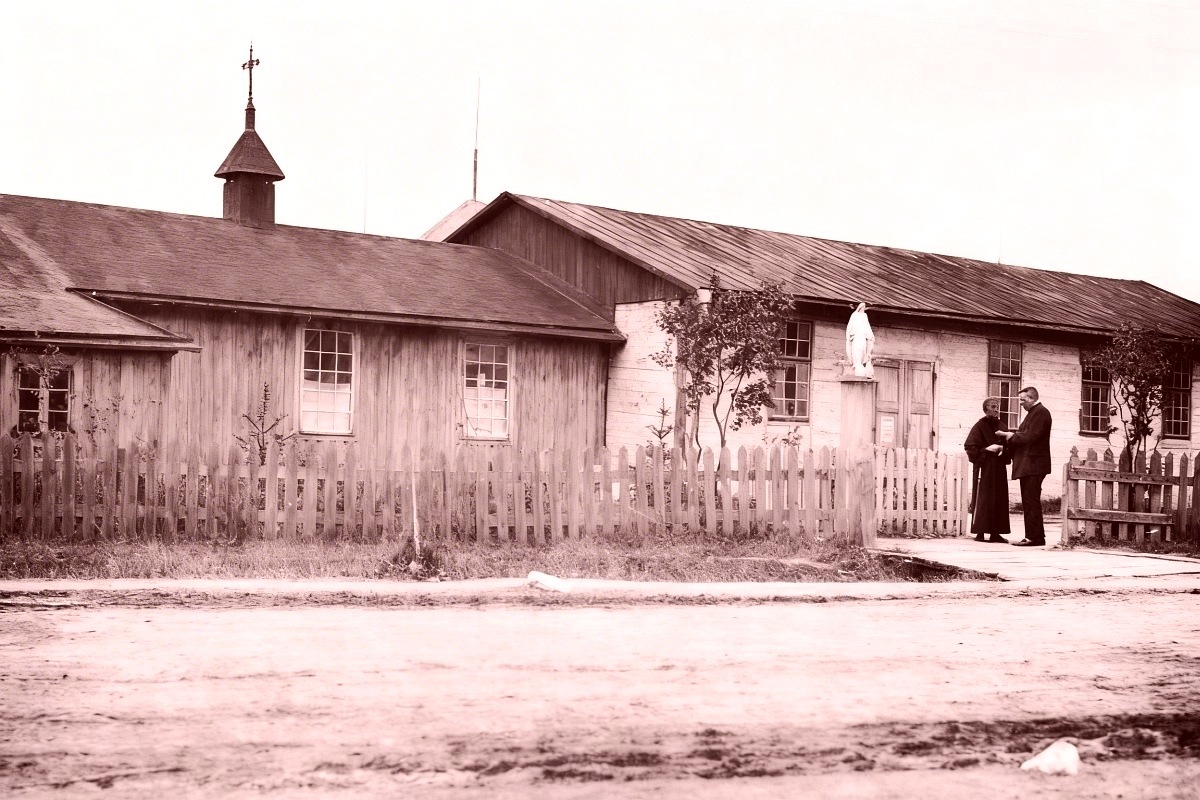
In the late summer of 1927, several Franciscans arrived at the fields belonging to Prince Jan Drucki-Lubecki. Among them was Brother Zenon Żebrowski – a man of great skill and an even greater heart. Their mission was seemingly simple: to prepare the grounds for the future monastery- publishing house envisioned by Father Maximilian Kolbe. However, before any building was erected, the brothers purchased in Warsaw a small statue of the Immaculate Virgin Mary. They placed it by the road leading from Paprotnia to Szymanów. Blessed on August 6, 1927, the statue – with its arms outstretched in a welcoming gesture – became a sign that something significant was about to unfold here.
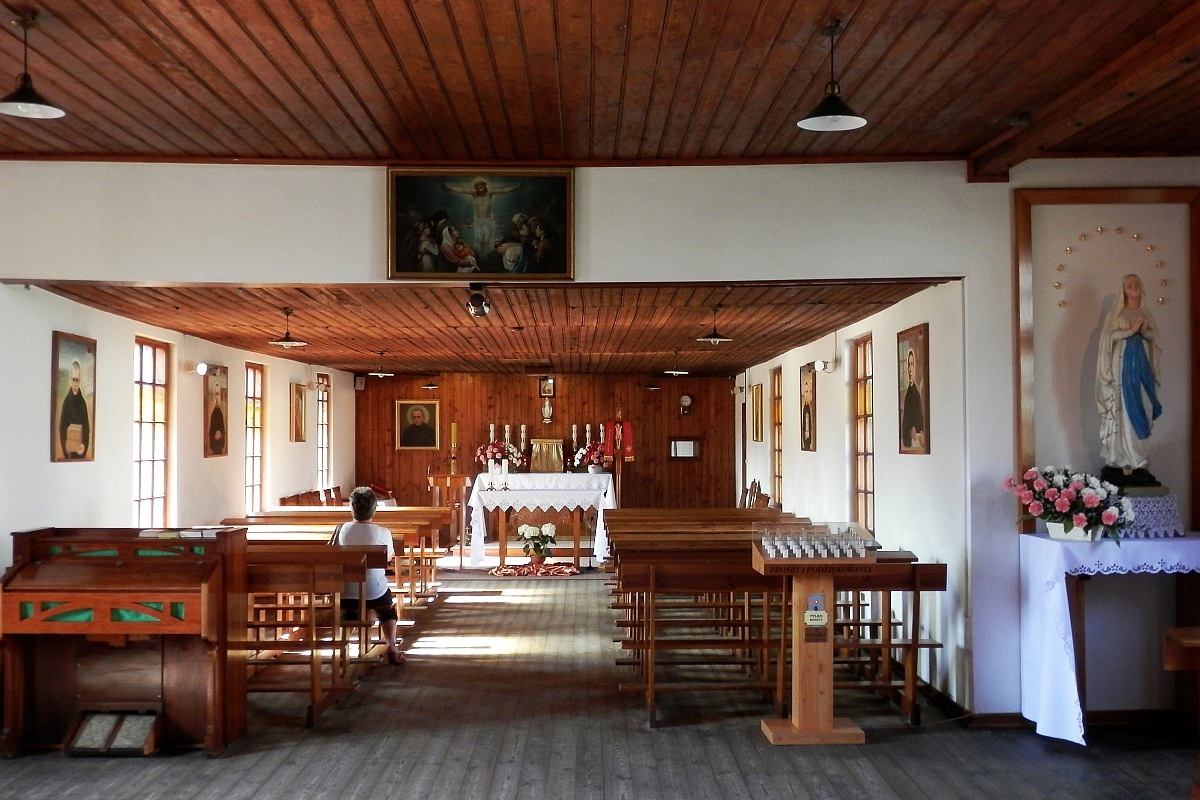
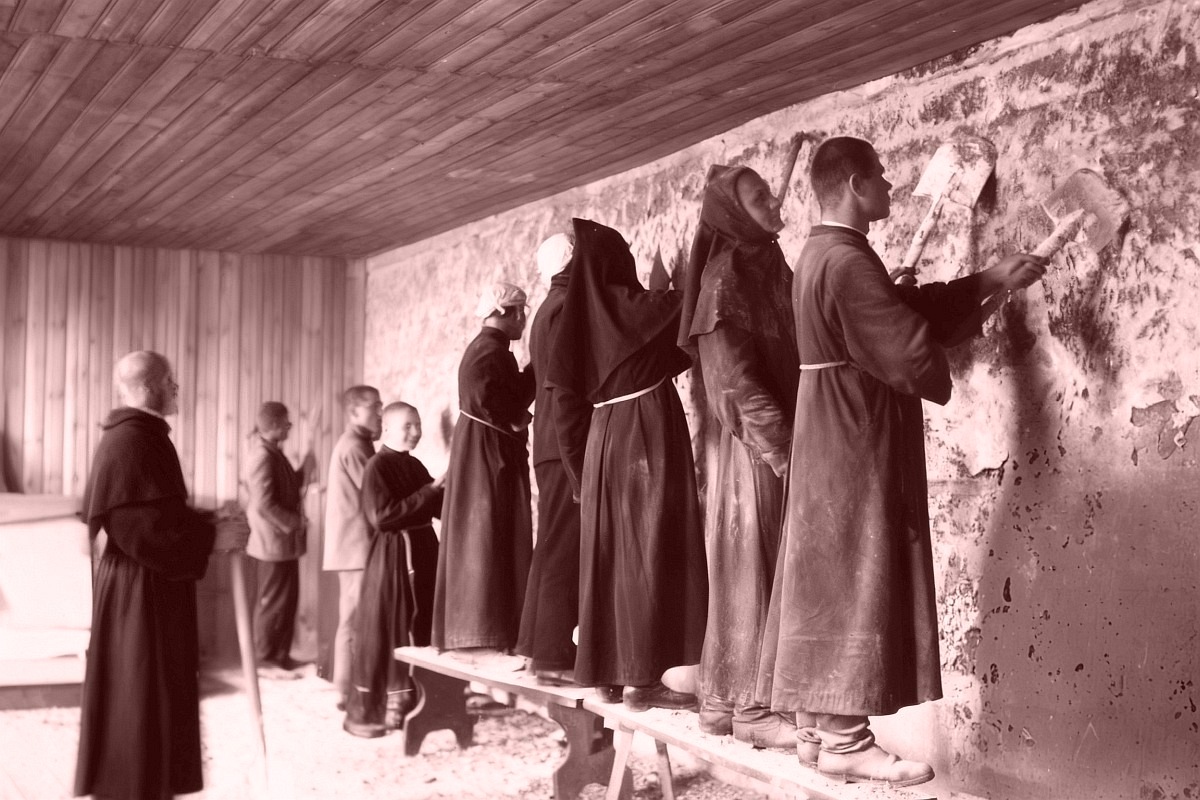
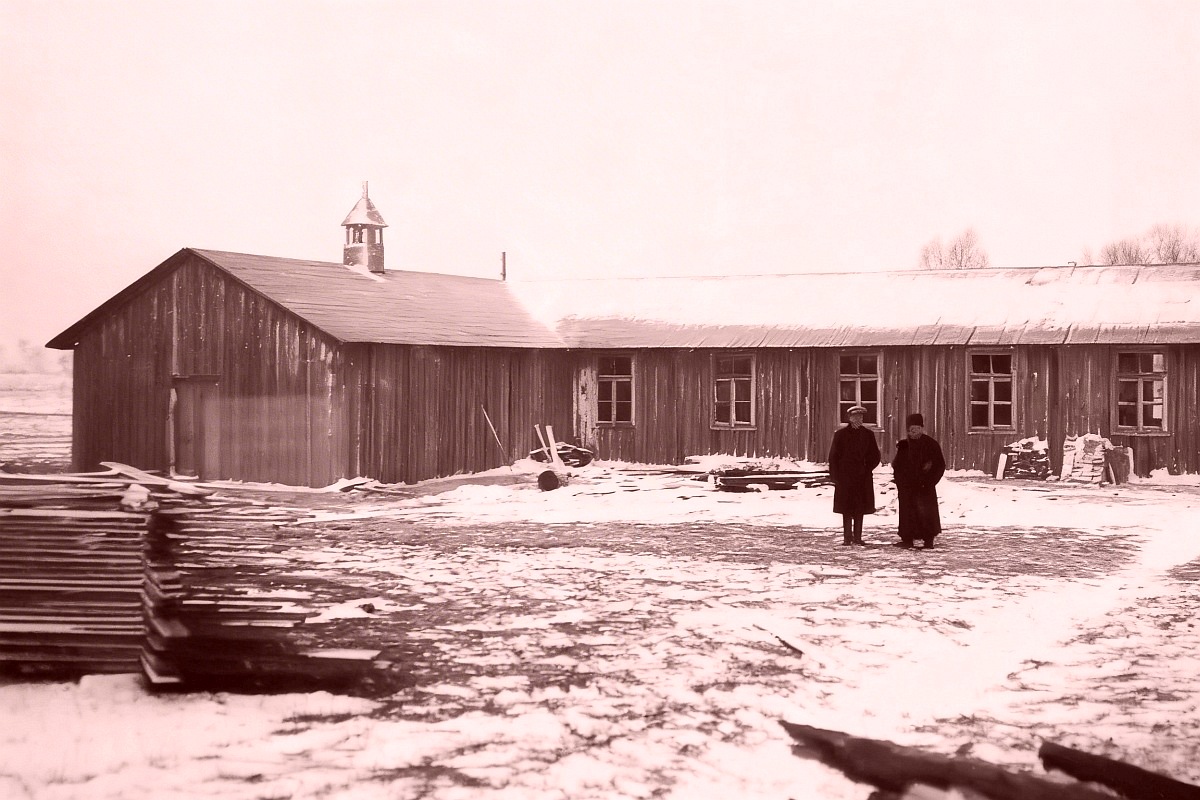
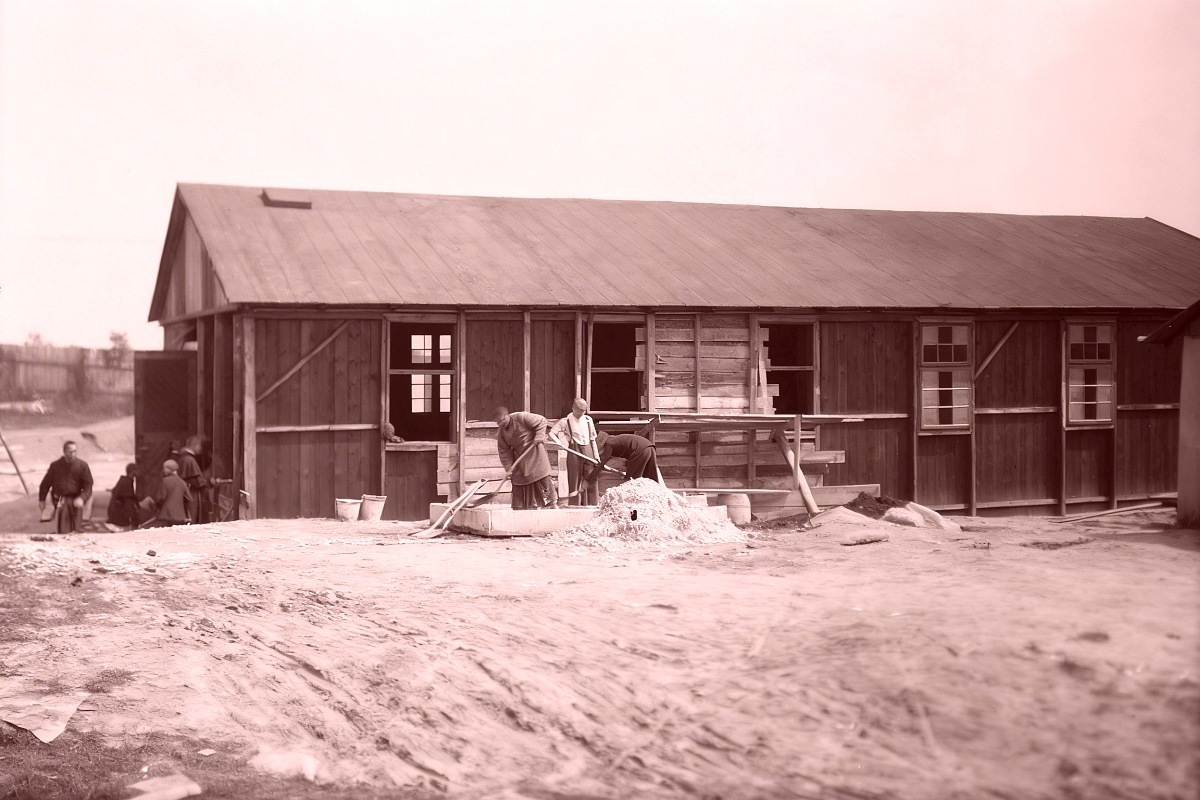
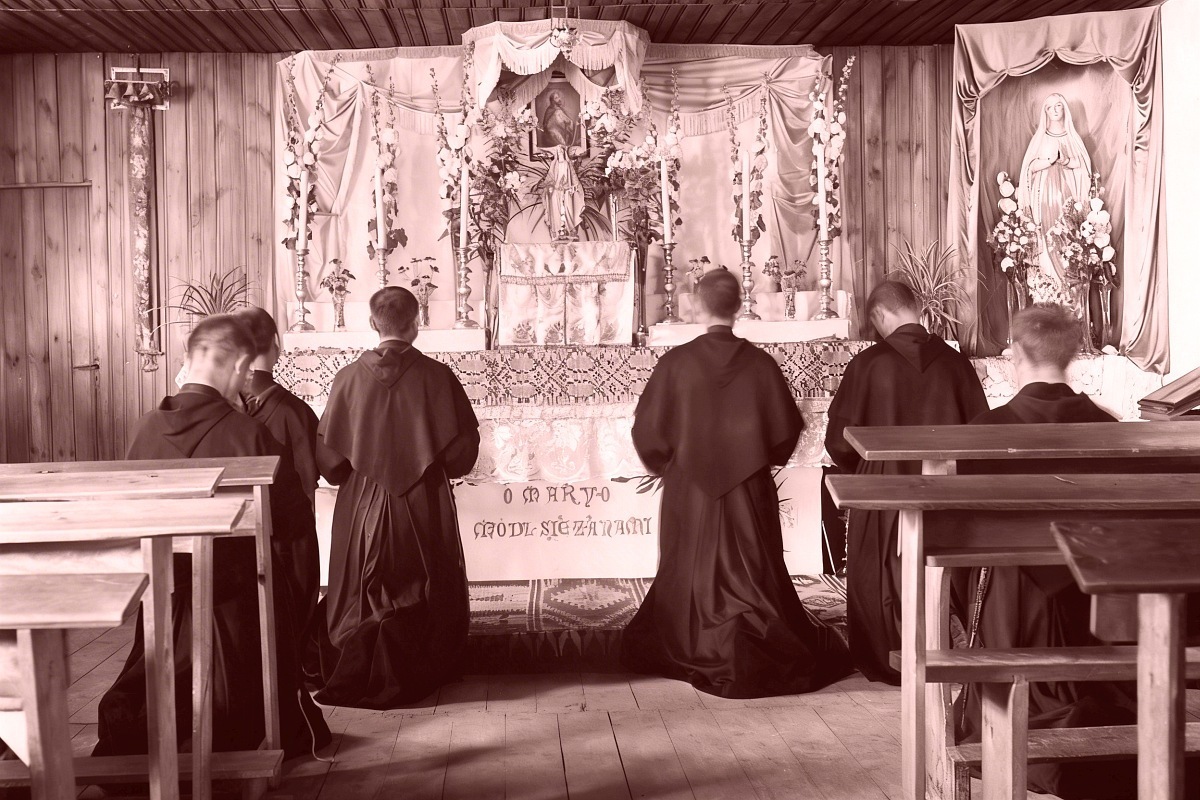
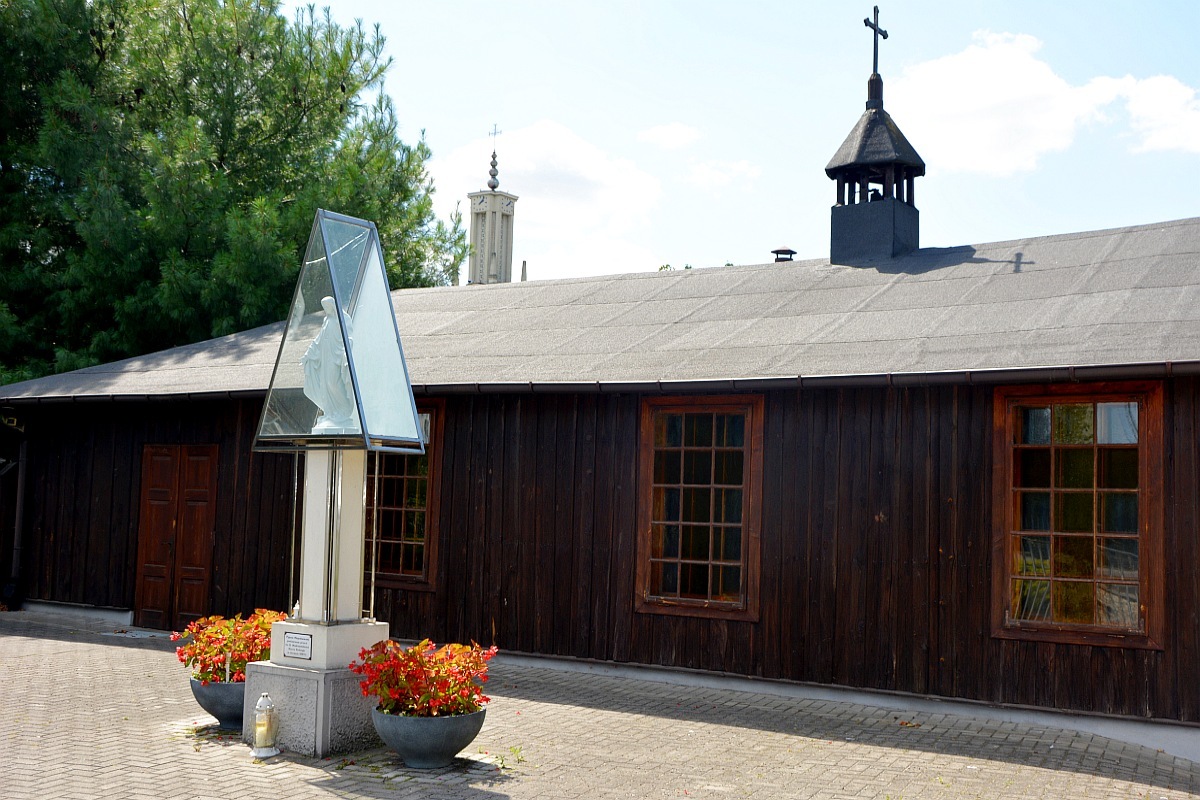
Brother Zenon marked out the site for the first building: the chapel. It was a modest structure: 15 meters long, about 6 meters wide, and 2.5 meters high. It featured a felt-covered roof, a small bell turret (sygnaturka), a makeshift altar, a simple cross, the statue of the Immaculate, and an image of the Sacred Heart of Jesus hanging from the ceiling. Both friars and local residents joined the construction effort, often working after their own hours out of pure devotion. On November 12, 1927, Father Maximilian celebrated the first Holy Mass here. On December 7, 1927, on the eve of the Solemnity of the Immaculate Conception, the chapel was officially consecrated.
* Growth and the Shadow of War
Niepokalanów grew rapidly, and the number of friars increased. Many faithful from the surrounding villages came to the Franciscans for Mass and devotions. The small chapel quickly became too small. In 1929, a northern section, known as the „Large Chapel,” was added. Inside, two side altars were installed: one dedicated to the Blessed Mother and the other to St. Francis. Gradually, the chapel became the spiritual heart of the burgeoning monastery. It was here that the brothers took their religious vows, attended spiritual conferences, and conceived ideas that would later transform into great publishing and missionary works.
World War II brought immense loss to the monastery. Approximately 50 friars perished in concentration camps and prisons. Following enemy bombings, several buildings (including the bakery and the telephone exchange) were destroyed. However, the wooden chapel – though damaged – survived. The first post-war years in Niepokalanów were dedicated to rebuilding and restoration.
* The Chapel and Monastery Today
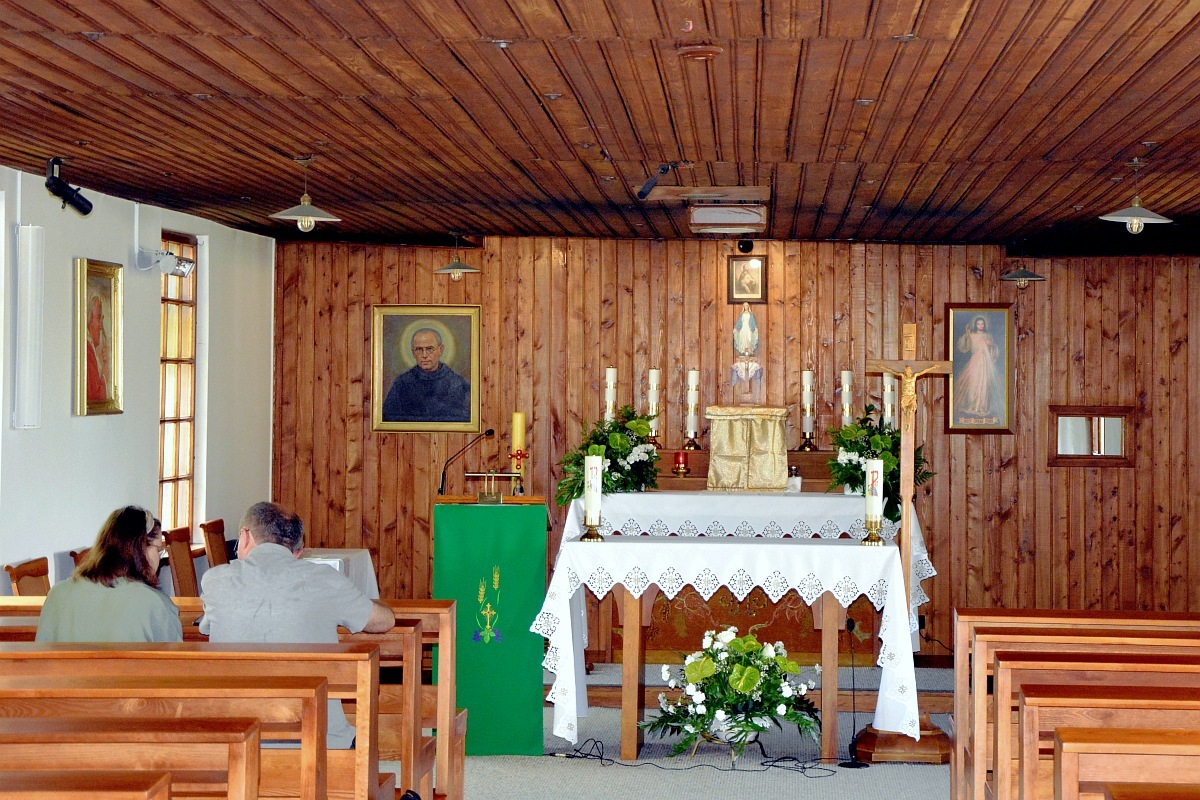
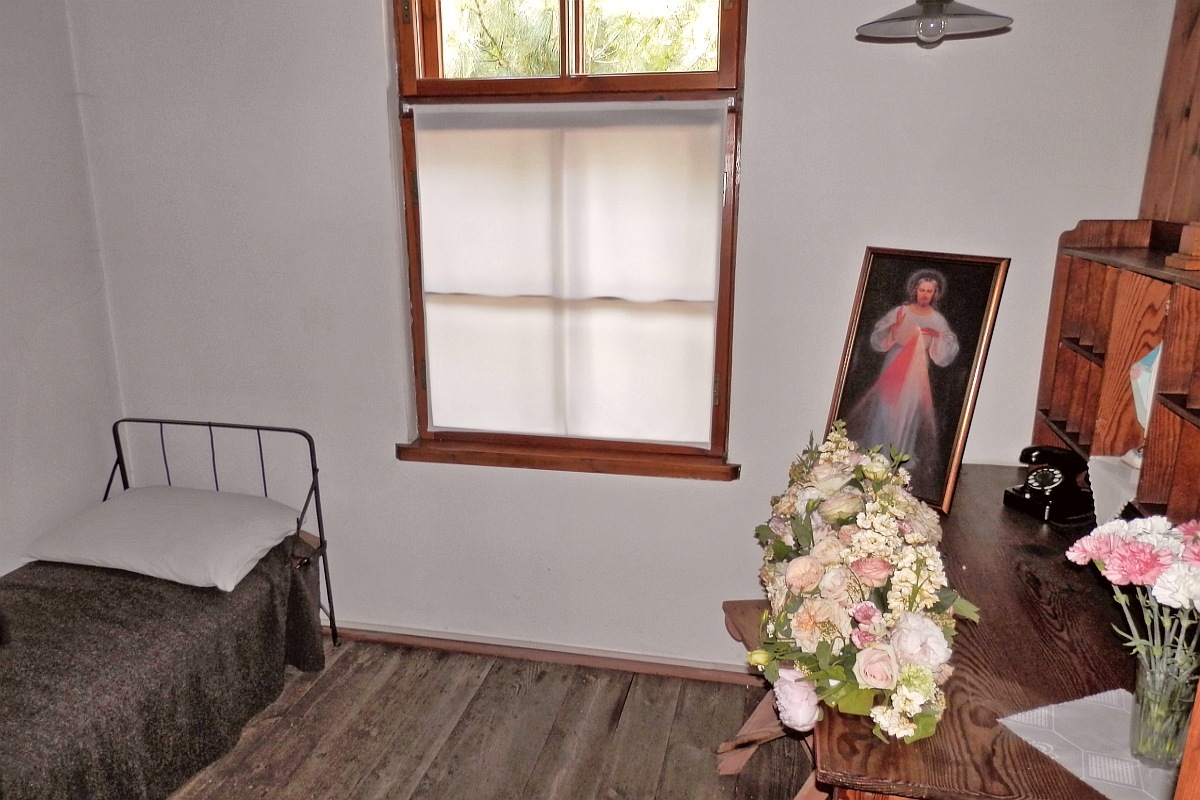
When the modernistic basilica was built between 1948 and 1954, the old chapel took on a new role. It became the „Room of Remembrance,” displaying artefacts related to the life and work of St. Maximilian: from his childhood and his missions in Nagasaki to his martyrdom in Auschwitz. During this time, St. Maximilian’s first monastic cell – a tiny room where he lived from 1927 to 1930 – was opened to the public. The 1990s brought new life to the chapel. Thanks to the support of donors, a thorough renovation and preservation of the wooden elements were carried out. On December 7, 1997, the chapel was re-consecrated and opened as a place of prayer and adoration.
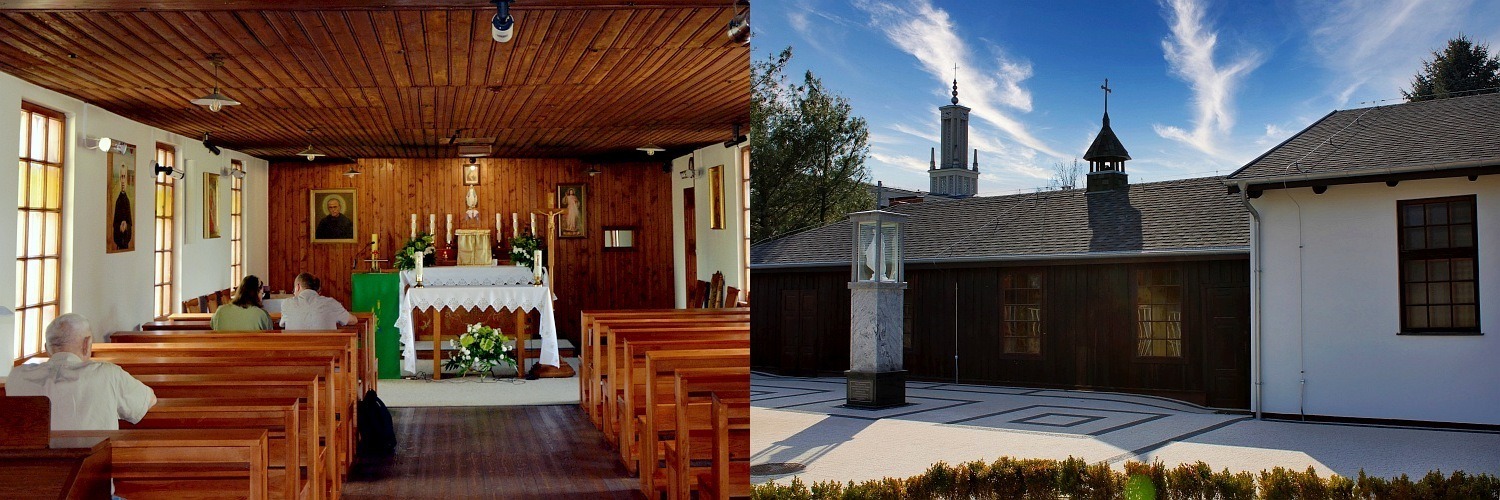
In 2004, the pre-war chapel, together with the basilica, was elevated to the rank of a Sanctuary. Since then, it has served the faithful for specific services and as a space for individual prayer. Standing right next to the chapel is the restored statue, which today welcomes pilgrims from all over the world, just as it welcomed the first brothers. Visiting this site allows one to feel the atmosphere of the interwar period, witness the origins of one of the greatest Franciscan works, and understand the profound power of faith combined with determination.